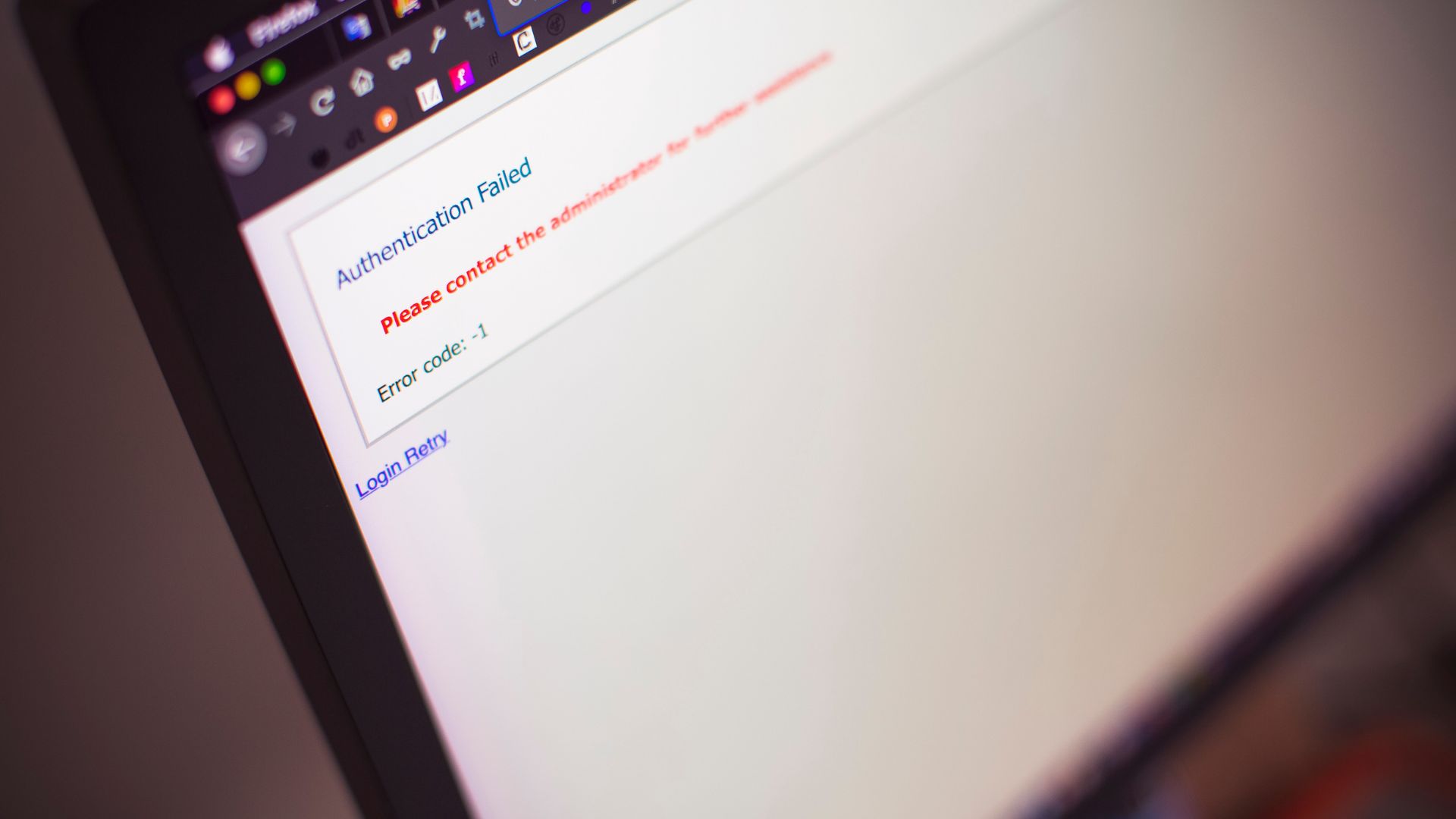
Website Glitches Aren’t Just Bugs — They’re Costing You Customers (And Revenue)
Sharing is Caring:
In today’s digital-first world, your website is often the first interaction customers have with your business. Whether someone is discovering your brand through search, social media, or a recommendation, they expect a smooth, fast, and reliable online experience.
But what happens when that experience is interrupted by glitches?
A slow-loading page, a broken form, or a checkout that refuses to process payment may seem like small technical issues. However, to your visitors, these problems signal something much bigger: unreliability.
The reality is simple. Website glitches aren’t minor inconveniences. They are one of the fastest ways to send potential customers straight to your competitors.
Let’s explore why these issues are more serious than they appear and how they directly impact your business growth.
First Impressions Are Made in Seconds
Users form opinions about websites incredibly quickly. Research consistently shows that visitors decide within seconds whether they trust a website or not.
If the site loads slowly, a button doesn’t work, or a page displays an error message, the experience instantly feels unprofessional. Visitors often interpret technical problems as a sign that the business behind the website may not be reliable.
This is especially true for first-time visitors. They have no previous relationship with your brand, which means their decision to stay or leave depends entirely on the quality of your website experience.
Even a small glitch can cause hesitation, and hesitation online usually leads to abandonment.
Modern Consumers Have Zero Patience
The internet has trained users to expect instant results. If a website doesn’t respond quickly or function properly, most visitors simply leave and try another option.
There are usually dozens of competitors available with just a single search.
For example, imagine someone visiting an online store to buy a product. They add the item to their cart, proceed to checkout, and suddenly the payment page freezes or displays an error. At that moment, the customer is unlikely to refresh the page multiple times or contact support.
Instead, they will likely open a new tab and purchase the same product from a competitor whose website works smoothly.
This behavior isn’t unusual—it’s the new normal.
Website Glitches Destroy Trust
Trust is one of the most important factors in online decision-making. Customers need to feel confident when sharing personal information, creating accounts, or entering payment details.
Technical issues can quickly damage that trust.
A malfunctioning checkout page, broken login system, or inconsistent page behavior raises immediate concerns about security and reliability. Visitors may wonder whether their data is safe or whether the transaction will go through correctly.
Even if the issue is minor, the perception it creates can be damaging.
Once trust is broken, convincing users to return becomes much more difficult.
SEO Rankings Can Suffer
Website glitches don’t only affect user experience. They can also impact your visibility in search engines.
Search engines prioritize websites that provide a good experience for users. If your site frequently encounters problems such as broken links, slow loading times, or pages that fail to load properly, search engines may interpret this as poor site quality.
Over time, this can negatively influence your rankings.
Lower rankings mean fewer people discover your website in the first place. This reduces organic traffic and forces businesses to rely more heavily on paid advertising to maintain visibility.
In other words, technical issues can quietly undermine your entire digital marketing strategy.
Conversions Drop When Friction Appears
Every website has a goal. That goal might be selling products, generating leads, collecting signups, or encouraging users to contact your business.
Website glitches introduce friction into this process.
When forms fail to submit, buttons stop responding, or pages reload unexpectedly, visitors are interrupted during critical moments of their journey. These moments are often when users are closest to converting.
For example, a lead generation website might lose potential clients if the contact form does not send properly. An ecommerce store might lose a sale if the checkout page displays an error.
Each glitch represents a lost opportunity.
What makes this particularly concerning is that many businesses never realize how many conversions they are losing due to hidden technical problems.
Mobile Users Are Even Less Forgiving
Mobile traffic now represents a large portion of global web usage. Unfortunately, mobile devices are also where website glitches tend to appear more frequently.
Responsive design issues, slow mobile loading speeds, broken menus, or poorly optimized images can create frustrating experiences for smartphone users.
Since mobile browsing often happens while users are on the move, their patience is even lower. If something doesn’t work immediately, they rarely attempt to troubleshoot the issue.
Instead, they leave.
A website that works perfectly on desktop but struggles on mobile devices may be losing a significant portion of potential customers without realizing it.
Small Issues Quickly Become Big Problems
One of the biggest challenges with website glitches is that they often start small.
A plugin update might create a conflict. A script might fail to load properly. A third-party tool might stop communicating with your site correctly.
Individually, these problems may seem minor. But over time, they can stack up and create larger performance issues.
A single broken feature can also affect multiple areas of a website. For example, a malfunctioning payment integration could impact checkout pages, confirmation emails, and order tracking systems.
Without regular monitoring and maintenance, small glitches can silently grow into major operational problems.
Your Competitors Benefit from Your Problems
When visitors leave a broken or slow website, they rarely abandon their original goal.
Instead, they simply find another website that can help them accomplish it.
This means that every technical issue effectively pushes potential customers toward your competitors. Businesses with smoother websites gain the advantage even if their products or services are similar.
In competitive industries, even small improvements in website performance can significantly impact market share.
The companies that prioritize user experience often win simply because they make the buying process easier.
Prevention Is Always Better Than Damage Control
The good news is that most website glitches can be prevented or minimized with the right approach.
Regular website maintenance plays a critical role in maintaining stability and performance. Monitoring tools can detect errors before they impact large numbers of users. Routine testing ensures that key features like forms, checkouts, and login systems continue to function properly.
Businesses that treat their website as a core operational asset rather than a static marketing tool tend to experience fewer disruptions.
Just like any other critical system, websites require ongoing care to perform reliably.
A Smooth Website Experience Is a Competitive Advantage
Many companies focus heavily on marketing strategies such as advertising, social media, and search engine optimization. While these efforts are important, they often overlook the foundational element that supports them all: website functionality.
If your website doesn’t work reliably, even the best marketing campaigns will struggle to deliver results.
On the other hand, a fast, stable, and glitch-free website creates a frictionless experience for visitors. It builds trust, improves engagement, and increases the likelihood that users will complete the actions you want them to take.
In highly competitive digital markets, this reliability becomes a powerful advantage.
Final Thoughts
Website glitches may appear small from a technical perspective, but their impact on business performance can be significant.
They damage first impressions, break user trust, reduce conversions, and push customers directly toward competitors. In some cases, they can even affect search engine visibility and long-term growth.
In a world where online experiences shape brand perception, businesses cannot afford to ignore these issues.
A well-maintained, reliable website is no longer just a technical necessity—it’s a critical component of customer experience and business success.
Companies that recognize this and invest in maintaining smooth digital experiences will not only retain more customers but also gain an edge over competitors who underestimate the true cost of website glitches. 🚀


