Unlocking Value in the Secondhand Market: How Businesses Can Build Consumer Trust in the Thriving Resale Market
Sharing is Caring:
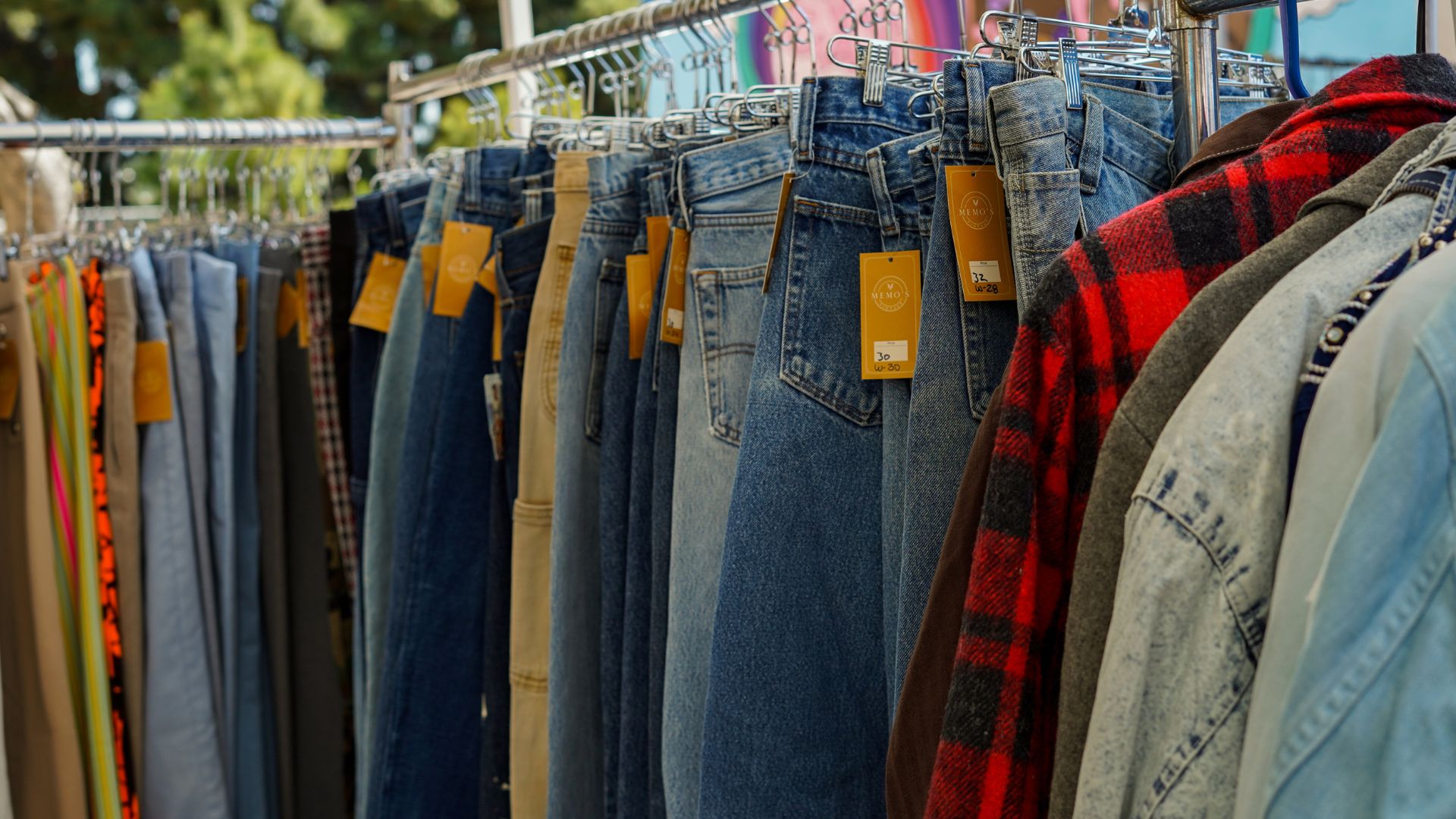
In recent years, the secondhand market has undergone a remarkable transformation. Once stigmatized as the domain of thrift stores and garage sales, the resale industry is now a booming sector attracting major brands, innovative startups, and a growing base of environmentally conscious consumers. The global resale market is projected to hit $350 billion by 2027, according to industry analysts, driven by the convergence of sustainability trends, economic factors, and a shift in consumer values.
However, with this rapid growth comes the challenge of building and maintaining consumer trust. For businesses entering or expanding within the secondhand market, the key to long-term success lies in establishing credibility, ensuring product quality, and delivering a seamless customer experience. In this blog, we’ll explore how businesses can capitalize on the opportunities in the resale economy while fostering consumer trust and loyalty.
The Resale Boom: What’s Driving the Trend?
Several key factors are fueling the explosive growth of the secondhand market:
- Sustainability Concerns: As awareness of environmental issues increases, more consumers are turning to secondhand goods as a way to reduce waste and minimize their carbon footprint. The fashion industry, in particular, has been under scrutiny for its environmental impact, leading many shoppers to seek out pre-owned clothing as a more sustainable option.
- Economic Considerations: Economic uncertainty and the rising cost of living have made secondhand shopping an attractive option for budget-conscious consumers. High-quality items can often be found at a fraction of the original price, making resale platforms an appealing alternative to buying new.
- Changing Consumer Behavior: The rise of the “circular economy” mindset has shifted consumer attitudes towards ownership and consumption. Rather than buying new, more people are embracing the idea of reusing, recycling, and reselling items, which is reflected in the growing popularity of platforms like ThredUp, Poshmark, and Depop.
- Technological Advancements: The digitalization of resale has made it easier than ever for consumers to buy and sell secondhand goods. Online platforms and apps have streamlined the process, offering features like secure payments, authentication services, and personalized recommendations.
The Trust Challenge in the Secondhand Market
Despite the opportunities, businesses entering the secondhand market face a significant challenge: building and maintaining consumer trust. Unlike the primary market, where products are typically new and come with warranties or guarantees, the resale market involves pre-owned goods with varying levels of wear and tear. This creates potential concerns for consumers regarding product quality, authenticity, and overall value.
To overcome these challenges, businesses must adopt strategies that prioritize transparency, quality assurance, and customer satisfaction. Here’s how:
1. Transparency Is Key
Transparency is the foundation of trust in the secondhand market. Consumers need to know exactly what they’re getting when they purchase a pre-owned item, and businesses that provide clear, accurate information are more likely to earn their customers’ trust.
- Detailed Product Descriptions: Providing comprehensive descriptions of each item, including information about its condition, any flaws or wear, and its history (such as previous ownership or usage), is crucial. High-quality images from multiple angles and close-ups of any imperfections can help manage customer expectations.
- Fair Pricing: Transparency in pricing is also essential. Customers should feel confident that they are paying a fair price for a secondhand item. Businesses can achieve this by providing information on how prices are determined, such as based on the item’s brand, condition, rarity, and market demand.
- Clear Return Policies: Offering a clear and fair return policy can alleviate buyer hesitation. Even though return rates might be higher in the resale market, a no-questions-asked return policy can significantly boost consumer confidence.
2. Implement Rigorous Quality Control Measures
Quality control is another critical component in building trust. Consumers want assurance that the pre-owned items they purchase are in good condition and worth their money.
- Inspection and Authentication: For certain product categories, such as luxury goods, electronics, and collectibles, businesses should implement a robust inspection and authentication process. This may involve partnering with experts who can verify the authenticity and condition of items before they are listed for sale.
- Refurbishment and Repair Services: Offering refurbishment or repair services can add value and instill confidence in secondhand purchases. Items that have been professionally cleaned, repaired, or restored to a high standard are more appealing to buyers, and this can be a unique selling point for businesses.
- Quality Guarantees: Providing a quality guarantee or warranty on secondhand items can further reassure customers. Even a limited warranty can make a significant difference in the decision-making process, as it signals that the business stands behind the quality of its products.
3. Leverage Technology for a Better Customer Experience
Technology plays a pivotal role in the success of the secondhand market. Businesses can leverage tech solutions to enhance the customer experience and build trust.
- Personalized Recommendations: Using AI-driven algorithms to offer personalized recommendations can improve customer satisfaction and loyalty. By analyzing past purchases and browsing behavior, businesses can suggest items that align with the customer’s preferences, making the shopping experience more enjoyable and efficient.
- Virtual Try-Ons and Augmented Reality (AR): For categories like fashion and home decor, AR and virtual try-on technologies can help customers visualize how an item will look on them or in their space before making a purchase. This reduces uncertainty and can decrease return rates.
- Blockchain for Transparency: Some businesses are experimenting with blockchain technology to provide an immutable record of an item’s history. This can include information on previous ownership, repairs, and authenticity, offering an extra layer of transparency that builds trust.
- Seamless Payments and Secure Transactions: Ensuring that transactions are secure and hassle-free is fundamental. Businesses should invest in reliable payment processing systems that protect consumer data and offer multiple payment options to cater to a diverse customer base.
4. Foster a Community of Trust
Building a community around your brand can be a powerful way to foster trust. This can be achieved through various strategies that encourage customer engagement and create a sense of belonging.
- User Reviews and Ratings: Encouraging customers to leave reviews and ratings for items they’ve purchased helps build a transparent and trustworthy marketplace. Positive reviews act as social proof, while negative feedback, if addressed properly, can demonstrate the business’s commitment to customer satisfaction.
- Customer Stories and Testimonials: Sharing customer stories and testimonials can humanize your brand and create an emotional connection with potential buyers. Highlighting how your products have been loved by previous owners and found new life can resonate with consumers who value sustainability and ethical consumption.
- Loyalty Programs and Incentives: Implementing a loyalty program that rewards customers for repeat purchases or for selling their own items can help create a sense of community. Offering incentives such as discounts, exclusive access to new arrivals, or early access to sales can encourage repeat business and strengthen customer loyalty.
5. Commit to Ethical Practices
Ethical business practices are increasingly important to consumers, especially in the secondhand market, where sustainability and social responsibility are key drivers.
- Sustainable Sourcing: Ensure that the products you sell are sourced sustainably. This might involve working with suppliers who share your commitment to ethical practices or directly engaging with consumers to buy back items that can be resold.
- Fair Labor Practices: If your business involves refurbishing or repairing items, make sure that workers are paid fairly and work in safe conditions. Ethical labor practices not only protect your brand’s reputation but also align with the values of many secondhand consumers.
- Charitable Partnerships: Consider partnering with charities or non-profits as part of your business model. For example, donating a percentage of sales to environmental causes or running programs that support underprivileged communities can enhance your brand’s image and appeal to socially conscious consumers.
6. Educate and Engage Consumers
Education is a powerful tool for building trust. By educating consumers about the benefits of buying secondhand and how to make informed choices, businesses can empower their customers and build lasting relationships.
- Content Marketing: Develop content that educates your audience about the secondhand market. This could include blog posts, videos, and social media campaigns that highlight the environmental benefits of buying secondhand, tips for finding high-quality items, and how to care for pre-owned goods.
- Workshops and Events: Hosting workshops or events focused on sustainable living, repair and upcycling, or fashion styling with secondhand items can engage your community and position your brand as a leader in the resale space.
- Transparency in Operations: Be transparent about your business operations, such as how you source items, your quality control processes, and your environmental impact. This not only builds trust but also differentiates your brand in a crowded marketplace.
7. Monitor and Adapt to Consumer Feedback
Finally, staying attuned to consumer feedback and adapting accordingly is crucial for maintaining trust in the secondhand market.
- Regular Feedback Loops: Implement mechanisms for regularly collecting and analyzing customer feedback. This can be done through surveys, social media interactions, and direct communication with buyers and sellers.
- Continuous Improvement: Use the insights gained from customer feedback to continuously improve your products, services, and customer experience. Being responsive to consumer needs and concerns demonstrates that you value their input and are committed to meeting their expectations.
- Proactive Problem Solving: When issues arise, address them proactively and transparently. Whether it’s a product defect, shipping delay, or customer service issue, how you handle problems can make or break consumer trust.
Conclusion
The secondhand market presents a wealth of opportunities for businesses, but success in this booming sector requires more than just capitalizing on trends. Building and maintaining consumer trust is the linchpin of long-term success in the resale economy. By prioritizing transparency, quality control, ethical practices, and customer engagement, businesses can not only thrive in the secondhand market but also contribute to a more sustainable and responsible consumer culture.
In a world where consumers are increasingly mindful of their impact on the environment and the economy, businesses that can turn trash into treasure—while building trust—are well-positioned to lead the way in the growing secondhand market.


